

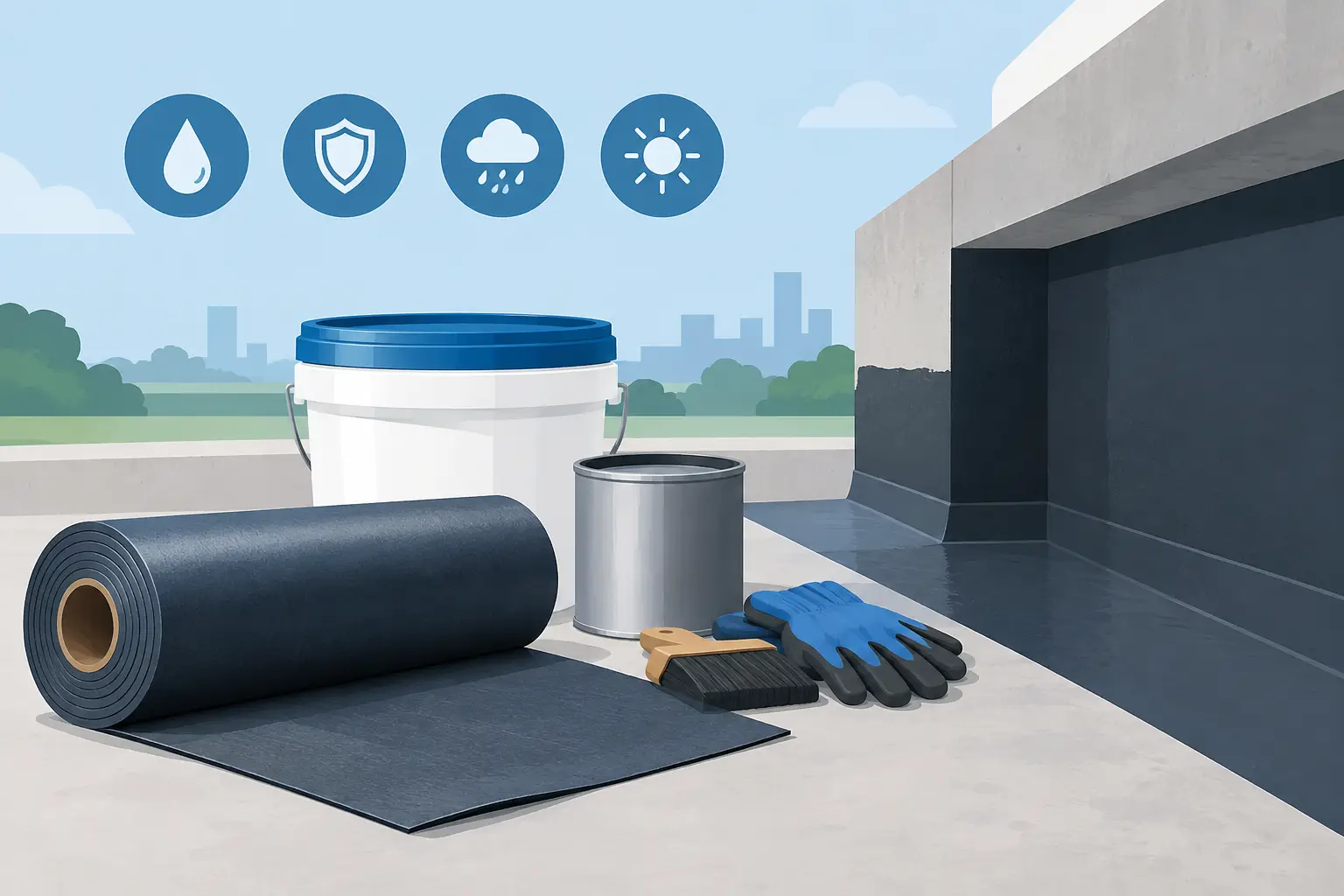
Waterproofing Material Guide for Tough Jobs
Water intrusion rarely starts as a major visible failure. It begins at a joint, fastener, pipe penetration, roof edge, or repair area where the selected material did not match the surface or the exposure. This waterproofing material guide helps contractors, maintenance teams, and procurement buyers select materials based on actual job conditions, not broad product labels.
The right system protects more than the substrate. It helps prevent corrosion, mold, concrete deterioration, insulation damage, electrical risk, production interruptions, and expensive rework. For commercial and industrial work, waterproofing is a performance decision that must account for movement, water pressure, weather, application conditions, and expected service life.
Start With the Source of Water
Waterproofing materials perform differently because water reaches structures in different ways. A balcony exposed to rain needs a different solution than a basement wall under hydrostatic pressure. An HVAC duct penetration needs flexibility around movement, while a roof repair may require resistance to standing water, heat, and UV exposure.
First identify whether the area faces rainwater, washdown water, groundwater, humidity, condensation, or intermittent leaks. Then determine whether water is applying pressure to the system. Positive-side waterproofing is installed on the side directly exposed to water, such as an exterior foundation wall or roof surface. Negative-side waterproofing is applied from the interior side when exterior access is unavailable. It can be effective, but the substrate and coating must be capable of resisting water pressure without losing adhesion.
Also consider movement. Concrete cracks, metal expands, roof assemblies flex, and service penetrations vibrate. A rigid cementitious coating may be suitable for stable concrete, but it is not the best choice for a moving expansion joint. Material selection must follow the joint and substrate behavior.
Waterproofing Material Guide: Main Categories
A practical waterproofing system often combines more than one product category. Membranes manage broad surfaces, sealants close joints and penetrations, tapes reinforce transitions, and coatings protect localized or complex areas. The strongest result comes from using each material where it performs best.
Liquid-Applied Waterproofing Coatings
Liquid-applied coatings are applied by brush, roller, spray, or trowel and cure into a continuous protective layer. They are widely used on roofs, wet rooms, concrete structures, metal surfaces, foundations, balconies, and repair areas with irregular details.
Their main advantage is coverage around corners, drains, fasteners, and complex geometry where sheet materials can be difficult to install. Acrylic, polyurethane, bitumen-based, epoxy, and cementitious formulations each serve different conditions. Flexible polyurethane systems can accommodate movement and are often selected for exposed applications. Cementitious coatings are commonly used on mineral substrates and below-grade structures. Epoxy coatings provide strong chemical and abrasion resistance but may be less tolerant of movement and UV exposure unless specifically formulated for it.
Film thickness matters. A coating that is applied too thin may look complete but fail early under water exposure or weathering. Verify the required wet and dry film thickness, number of coats, curing time, and whether reinforcement fabric is needed at corners, cracks, or joints.
Sheet and Self-Adhesive Membranes
Sheet membranes provide a controlled thickness over large, accessible surfaces. They are commonly used on foundations, roofs, podium decks, tunnels, and below-grade concrete. Bituminous membranes, synthetic rubber sheets, PVC, TPO, and other polymeric systems are selected according to exposure, installation method, and chemical compatibility.
Self-adhesive membranes can speed installation and reduce hot-work requirements, which is valuable on occupied sites or controlled work areas. Their performance depends heavily on surface preparation and primer compatibility. Dusty concrete, damp surfaces, poor overlap pressure, and weak edge detailing can compromise an otherwise high-quality membrane.
Sheet systems can be highly durable, but they require disciplined detailing. Laps, terminations, corners, penetrations, and transitions to other materials are the usual risk points. A membrane is only as reliable as its seams and interfaces.
Sealants for Joints and Penetrations
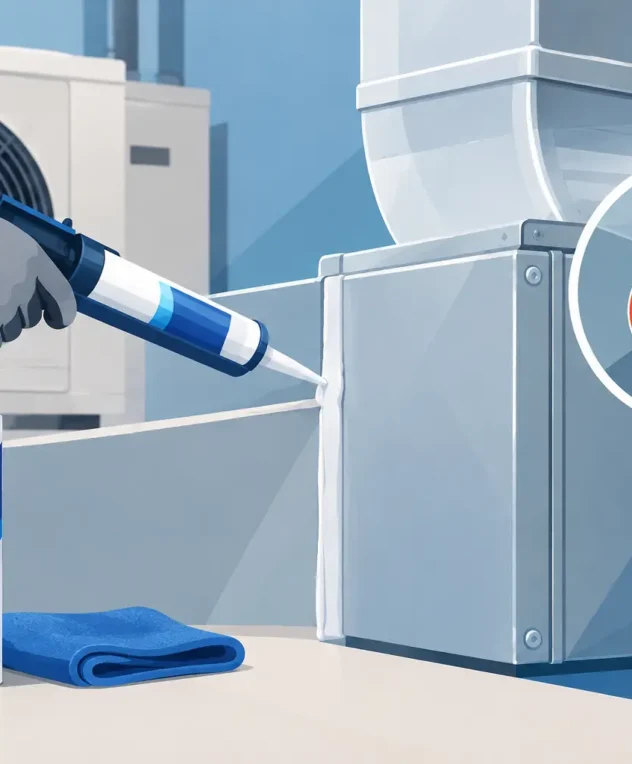
Sealants are essential where separate materials meet. Typical applications include window perimeters, curtain wall joints, concrete control joints, metal laps, pipe penetrations, ductwork, roof flashings, and equipment housings.
Silicone sealants offer strong weather and UV resistance and are often suitable for glazing, exterior joints, and high-temperature areas. Polyurethane sealants provide strong adhesion and flexibility for many construction and industrial applications. Hybrid polymer sealants offer broad substrate adhesion and can be useful where low odor, paintability, or moisture tolerance is required. Butyl sealants are valued for tack and water resistance in overlaps, laps, and concealed joints.
Do not select sealant by color or general-purpose claims alone. Check joint movement capability, adhesion to the actual substrates, service temperature, paint compatibility, cure conditions, and exposure to fuel, chemicals, or UV. A sealant that performs well on painted metal may not bond reliably to low-energy plastics or contaminated surfaces.
Waterproofing Tapes and Flashing Materials
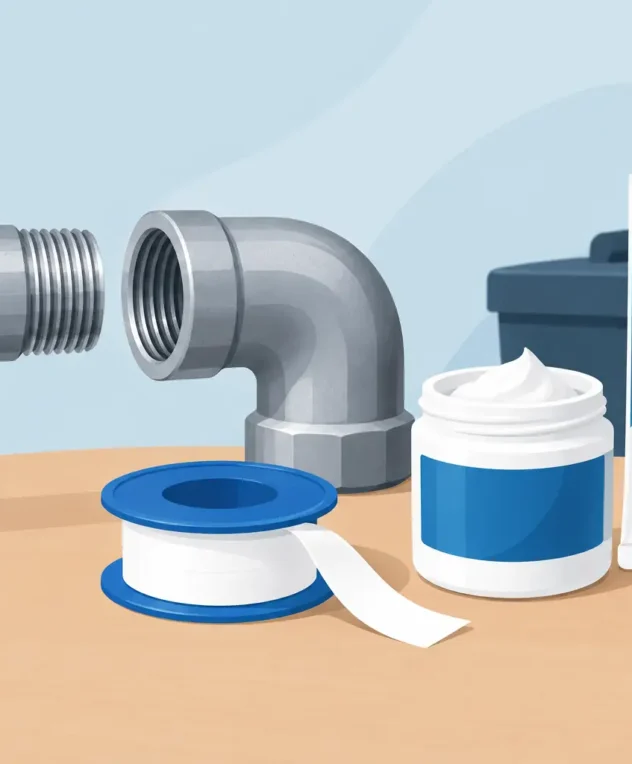
Waterproofing tapes are efficient for seams, transitions, repair work, and local reinforcement. Butyl tapes are widely used for metal roofing, cladding overlaps, HVAC connections, flashing details, and panel joints. They maintain a compressible seal and can conform to uneven surfaces when applied with proper pressure.
Foil-faced tapes add durability and reflectivity in certain HVAC and insulation applications, while specialized flashing tapes help manage water at windows, doors, roof penetrations, and building-envelope transitions. Tape is not a shortcut for poor preparation. The surface must be clean, dry where required, and free of oils, loose coatings, and sharp edges that can create channels for water.
Cementitious and Repair-Based Systems
Cementitious waterproofing materials are frequently used for water tanks, basements, retaining walls, masonry, concrete channels, and internal wet areas. They bond well to properly prepared mineral substrates and can be applied to damp concrete in some specified systems.
These products are practical for stable substrates, but flexibility varies by formulation. For crack-prone structures or areas exposed to thermal cycling, use a flexible modified system or combine the coating with reinforcement and correctly designed joint treatment. Structural cracks, active leaks, and failed drainage should be addressed before relying on a surface coating.
Match the Material to the Substrate
The substrate often determines the success of the job. Concrete must be sound, clean, and free of laitance, curing compounds, and weak surface layers. New concrete also needs adequate curing before many coatings and membranes are installed. Moisture testing may be necessary when applying moisture-sensitive materials.
Metal requires removal of rust, oil, loose paint, and oxidation. A compatible primer may be needed, particularly on galvanized steel, aluminum, or weathered coatings. For masonry, fill voids and repair deteriorated mortar before applying a continuous waterproofing layer.
Plastic, fiberglass, and composite materials require additional care because surface energy and chemical compatibility vary widely. Test adhesion when the application is critical. On all substrates, the technical data for the full system matters more than a single product claim.
Evaluate Exposure Before You Specify
Professional buyers should assess the full operating environment. The following conditions often determine whether a material delivers long-term value:
- UV exposure and extreme surface temperatures on roofs, facades, and external equipment.
- Standing water, water pressure, and drainage performance around roofs, decks, foundations, and tanks.
- Movement from thermal expansion, vibration, settlement, traffic, or structural deflection.
- Chemical contact from cleaning agents, oils, fuels, salt spray, or industrial process fluids.
- Application limits such as humidity, substrate moisture, ambient temperature, and curing access.
A premium formulation cannot compensate for a system installed outside its application limits. For example, applying a moisture-sensitive coating on damp concrete can cause blistering or loss of adhesion. Installing tape over dusty metal can create an immediate leak path at the edge.
Installation Discipline Protects Material Performance
Most waterproofing failures are not caused by material alone. Incomplete cleaning, missed primer requirements, poor overlap treatment, insufficient coating thickness, trapped moisture, and rushed curing are common causes of early failure.
Build inspection into the work sequence. Verify substrate condition before application, confirm coverage rate during installation, and inspect joints, corners, penetrations, and terminations before the area is covered or placed into service. Where possible, conduct flood testing, water testing, or controlled inspection appropriate to the assembly.
For procurement teams, consistency also matters. Specify materials from a dependable range with documented application guidance, predictable quality, and reliable availability. The Engineer product portfolio is built for professional applications where sealants, tapes, coatings, and related protective materials must work together under demanding site conditions.
Choose for Service Life, Not Initial Cost
The lowest-priced waterproofing material can become the most expensive option when it causes shutdowns, finishes damage, corrosion, or repeat access work. Evaluate installed cost over the expected service period, including preparation, labor, maintenance access, and the consequence of failure.
A coating may be the right choice for complex repairs and irregular details. A membrane may be more efficient for large, open surfaces. A flexible sealant and compatible tape may be the critical components that protect the interfaces between them. The best specification is rarely the product with the broadest label claim. It is the system matched to water exposure, substrate condition, movement, and the real demands of the job site.
Before releasing a purchase order or starting an installation, confirm one practical point: every transition has a defined waterproofing detail. Broad surfaces are usually straightforward. Edges, joints, drains, penetrations, and terminations are where dependable protection is earned.

Leave a Reply