

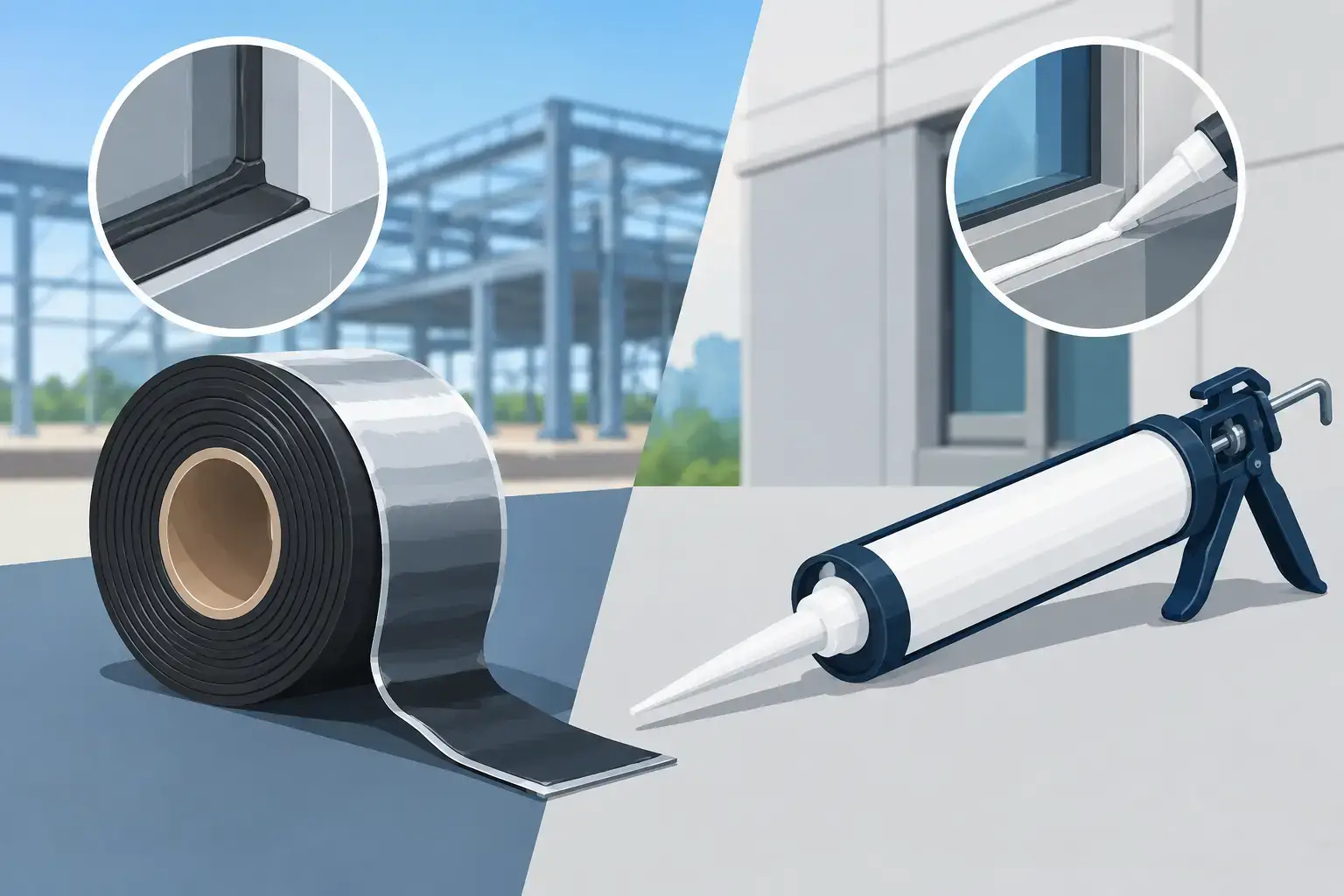
Butyl Versus Mastic for Demanding Jobsite Seals
A leaking duct joint, failed flashing lap, or vibrating vehicle panel rarely fails because a crew did not apply enough material. It fails because the wrong material was specified for movement, exposure, surface condition, or service temperature. In the question of butyl versus mastic, the correct choice depends on what must be sealed, how the joint behaves, and what the finished assembly needs to withstand.
Both materials are widely used by professionals because they fill irregular gaps and provide dependable sealing performance. But they do not perform the same job in the same way. Butyl is valued for tack, flexibility, and resistance to moisture. Mastic is often selected for its ability to form a continuous coating or thick seal across joints, penetrations, and uneven surfaces. Understanding the distinction helps procurement teams reduce product mismatch, technicians work faster, and project managers avoid costly rework.
Butyl Versus Mastic: The Core Difference
Butyl is a synthetic rubber-based sealing material. It is commonly supplied as tape, strips, pads, or rope-like cord. Its defining characteristic is permanent tack. A quality butyl material remains pliable after installation, allowing it to conform tightly to metal, glass, plastic, concrete, and other substrates with minor surface irregularities.
Mastic is a broader category. In industrial work, it generally refers to a thick, paste-like sealant or coating applied by brush, trowel, caulk gun, or spray equipment, depending on the formulation. Mastic products may be water-based, solvent-based, bituminous, acrylic, polyurethane-modified, or designed for a specialized application such as HVAC duct sealing or roof repair.
That distinction matters. Butyl describes a material family with recognizable behavior. Mastic describes a product form and performance category that can vary significantly by chemistry. One mastic may be designed for indoor duct seams, while another is built for waterproofing exterior details. Product selection must go beyond the word “mastic” on the label.
Where Butyl Performs Best
Butyl performs strongly when the seal must remain flexible, resist water intrusion, and bond immediately to clean prepared surfaces. It is a practical choice for overlapping sheet materials, panel joints, window and door flashing details, roofing accessories, automotive body applications, and equipment enclosures.
Because butyl tape is preformed, it supports clean and controlled installation. Technicians can place a consistent bead or strip without waiting for a liquid material to cure. This is particularly useful on production lines, field repairs, and projects where work must continue without extended downtime.
Butyl also handles minor movement well. Temperature cycles cause metal panels, duct sections, and vehicle components to expand and contract. A flexible butyl seal can accommodate that movement better than a rigid cured film. It is especially useful between mechanically fastened parts, where the material is compressed to create a water- and air-resistant barrier.
However, butyl is not the answer for every exposed joint. It can collect dust at exposed edges because of its tacky surface, and some products require protection from ultraviolet exposure or mechanical damage. It is also not intended to replace a structural adhesive. If the assembly requires load-bearing strength, the selected adhesive or fastener system must carry that requirement independently.
Where Mastic Is the Better Choice
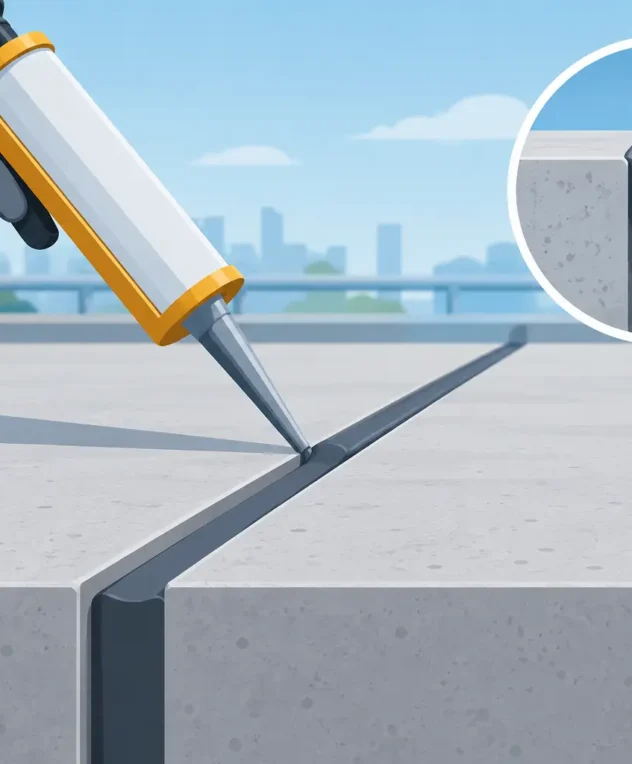
Mastic is often the stronger option when a continuous surface seal is required across a complex shape. It can bridge small gaps, cover porous materials, seal irregular transitions, and coat a wider area than a preformed tape. This makes it effective for duct seams, pipe penetrations, roof details, wall interfaces, insulation connections, and maintenance repairs.
In HVAC applications, duct mastic is commonly used to seal longitudinal seams, transverse joints, and fittings. Once cured, the material creates a durable air-sealing layer that can reduce leakage and improve system efficiency. It is particularly useful where sheet metal geometry, screws, reinforcement, or difficult access make tape installation less reliable.
For waterproofing work, the right mastic can create a thick protective barrier around penetrations and transitions. It is well suited to uneven substrates where a tape may struggle to make full contact. It can also be reinforced with fabric or mesh in systems that require additional strength across cracks, corners, or changing planes.
The trade-off is application control. Mastic requires proper surface preparation, appropriate film thickness, and enough cure time for the formulation and site conditions. Cold temperatures, high humidity, dust, standing water, or poor substrate adhesion can reduce performance. A technician applying mastic must manage the material, not simply dispense it.
Compare Performance by the Job Requirement
The best choice becomes clearer when the job requirement is stated precisely. For an immediate compression seal under a metal lap joint, butyl is often more efficient. For sealing a duct seam with screw heads and irregular contours, mastic is generally more practical. For a flashing detail that needs flexibility under panel movement, butyl tape may offer a cleaner solution. For a broad exterior repair area requiring full surface coverage, a compatible waterproofing mastic may be the better fit.
Water resistance is another area where context matters. Both materials can provide excellent moisture protection when selected and installed correctly. Butyl creates a highly effective barrier when it is continuously compressed between surfaces. Mastic performs well when it is applied at the specified thickness and allowed to cure into a continuous membrane. The failure risk is not usually the product category alone. It is inadequate contact, insufficient coverage, or use outside the product’s service limits.
Temperature exposure also deserves careful review. Butyl materials are known for flexibility and moisture resistance, but service temperature limits differ by formulation. Mastic performance can vary even more widely. A duct mastic designed for conditioned indoor spaces should not be assumed suitable for an exposed roof or high-temperature industrial enclosure. Verify the intended temperature range, substrate compatibility, and weather exposure before release to the field.
Application Conditions Determine Reliability
The same product can perform exceptionally on one project and fail early on another because the surface was not prepared correctly. Both butyl and mastic need a sound substrate. Remove loose coatings, dust, oils, release agents, and standing moisture. On heavily oxidized metal, clean to a stable surface before sealing.
For butyl tape, correct pressure is essential. The tape must be pressed firmly enough to wet out the substrate and eliminate channels that could allow water or air to travel behind the seal. Avoid stretching tape excessively during installation, especially around corners. Stretching can thin the material and create weak points.
For mastic, follow the specified application thickness and curing requirements. A coating applied too thin may crack or fail to bridge the intended gap. One applied too thick may skin over before internal curing is complete. Where reinforcement is required, embed the fabric fully and eliminate voids. These details directly affect long-term seal integrity.
Procurement Questions That Prevent Rework
Procurement teams should avoid evaluating butyl and mastic only by unit price. The lower-cost material can become the higher-cost choice if it extends installation time, creates callbacks, or fails under site exposure. Evaluate the product against the actual application and expected service conditions.
Ask whether the joint will move, whether it will remain exposed to sunlight, whether immediate adhesion is required, and whether the substrate is smooth or irregular. Confirm the required temperature range, resistance to water and chemicals, paintability where relevant, and compatibility with adjacent coatings, plastics, insulation facings, or membranes.
Also consider packaging and field handling. Butyl tape offers clean storage and predictable consumption for repetitive installation. Mastic may be more economical for broad coverage and irregular details, but crews need suitable tools, controlled storage, and time for curing. Reliable supply of the correct SKU matters as much as the initial specification, especially across multi-site maintenance programs or phased construction work.
A Practical Selection Rule
Choose butyl when the work calls for a flexible, pressure-applied seal between components, especially where immediate tack and clean installation are priorities. Choose mastic when the work requires a continuous applied barrier across uneven joints, penetrations, seams, or wider repair areas.
There are projects where both belong in the same system. A contractor may use butyl behind a flashing flange for a compressed weather seal, then apply compatible mastic at exposed edges or transitions for added protection. This is not duplication when each material addresses a different failure path.
The Engineer product range is built for professionals who need materials that perform consistently under real jobsite conditions. Start with the joint design, exposure, substrate, and movement requirement, then select the sealant system that gives the installation its best chance of staying dry, tight, and dependable for the long term.



Leave a Reply