


Roof Coatings That Stand Up to Hard Service
A roof can look sound from ground level while heat, standing water, UV exposure, and failed details are already shortening its service life. Roof coatings provide a practical way to restore and protect suitable roof substrates without the cost, disruption, and material waste of a full replacement. For contractors, facilities teams, and procurement managers, the result depends on more than selecting a coating pail. It depends on matching the system to the roof, the environment, and the required performance.
What Roof Coatings Are Designed to Do
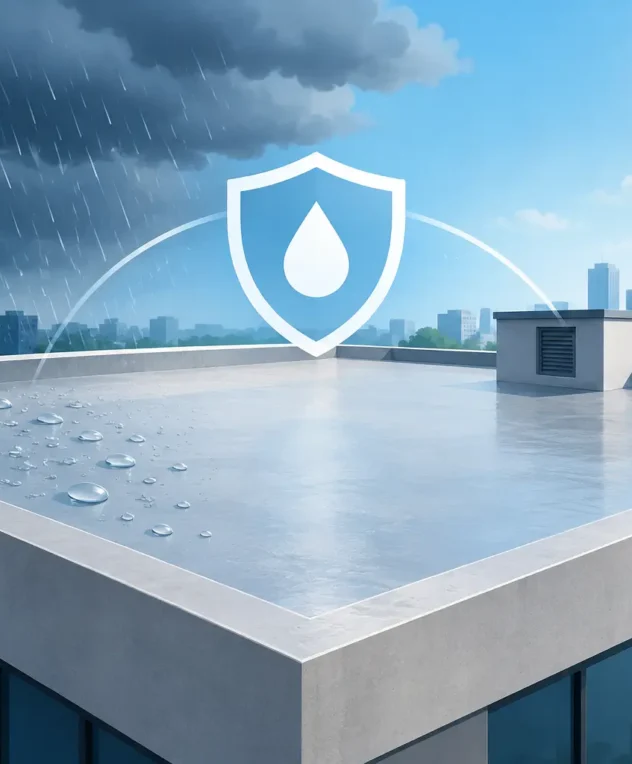
Roof coatings are fluid-applied protective membranes installed over existing roof surfaces. Once cured, they create a continuous barrier that helps defend the roof against water intrusion, ultraviolet degradation, thermal movement, and surface wear. A properly specified system can extend the useful life of an aging roof, reduce maintenance exposure, and help maintain a more stable roof temperature.
The word “coating” should not be confused with paint. While some products are reflective and improve roof appearance, professional roof coatings are engineered as protective systems. Their performance depends on dry film thickness, adhesion, reinforcement at critical details, substrate preparation, and compatibility with the existing roof assembly.
For industrial and commercial assets, the value is operational. A coating system may allow work to proceed with less disruption than tear-off, while helping protect warehouses, workshops, HVAC plant rooms, retail facilities, and production areas from leaks and weather-related deterioration.
Start With the Roof Condition, Not the Product
The correct coating begins with an honest roof assessment. Coatings can preserve a serviceable roof, but they do not correct structural failure, saturated insulation, severely deteriorated decking, or widespread membrane damage. Applying material over an unstable surface may conceal the problem temporarily while increasing the cost of the eventual repair.
Inspect the roof for active leaks, open seams, cracks, blisters, damaged flashings, loose fasteners, rusted metal, ponding water, and areas with weak adhesion. Pay close attention to penetrations, drains, parapet walls, expansion joints, skylights, pipe curbs, and HVAC supports. These details receive concentrated water movement and mechanical stress, making them common points of failure.
Moisture testing is equally important where the roof assembly is suspect. Trapped moisture can compromise adhesion and create vapor pressure beneath the new membrane. A coating project should begin only after wet materials, damaged sections, and underlying defects have been repaired.
Selecting Roof Coatings for the Exposure
There is no single coating chemistry that fits every roof. The right selection depends on the substrate, climate, slope, drainage behavior, expected movement, and the facility’s maintenance conditions. Product data, approved application conditions, and system specifications should guide the final decision.
Acrylic Coatings
Acrylic roof coatings are often selected for their reflectivity, UV resistance, and straightforward water-based application. They are commonly used on metal roofs and low-slope assemblies with positive drainage. Their white finish can reduce heat absorption, which is particularly relevant on large exposed roof areas.
Their limitation is standing water. Acrylic systems generally perform best where drainage is reliable and ponding is controlled. In humid conditions, drying time and weather windows must also be managed carefully.
Silicone Coatings
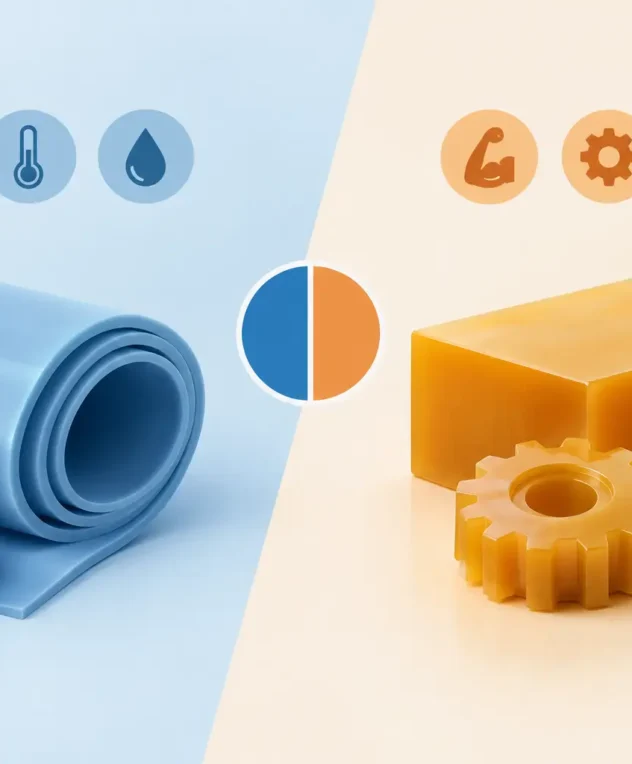
Silicone coatings are known for strong moisture resistance and are frequently considered where ponding water is a persistent condition. They retain flexibility under weather exposure and can provide dependable long-term protection on roofs that are difficult to drain completely.
However, surface cleanliness remains critical. Silicone systems can attract dirt over time, and recoating compatibility should be considered early in the asset plan. The lowest installed price is not always the lowest lifecycle cost if future maintenance is not accounted for.
Polyurethane Coatings
Polyurethane coatings deliver high tensile strength, abrasion resistance, and durability in areas exposed to regular foot traffic or mechanical activity. They are often specified where roof surfaces face tougher service conditions, including maintenance routes near equipment.
These systems can provide strong performance, but application discipline matters. Primers, mixing requirements, and environmental conditions must follow the manufacturer’s system guidance. A high-performance material installed at the wrong thickness or over poor preparation will not deliver its intended service life.
Asphalt and Bituminous Systems
Bituminous coatings and emulsions remain useful for compatible waterproofing and maintenance applications. They can provide practical protection for selected roof details and substrates, particularly where compatibility with existing bituminous membranes is required.
They may not offer the same solar reflectivity as white elastomeric systems, so the project objective should be clear. If heat management is a primary requirement, a reflective topcoat or another coating technology may be a better fit.
Surface Preparation Determines Adhesion
Most roof coating failures begin before the coating is applied. Dust, oxidation, loose granules, chalking, oils, biological growth, and trapped moisture prevent proper bonding. Preparation is not an accessory step. It is the foundation of the system.
The roof should be cleaned using methods appropriate to the substrate and contamination level. Loose material must be removed, and the surface must be dry before primer or coating application. Metal roofs often require treatment of corrosion and careful attention to fasteners, seams, and cut edges. Existing single-ply membranes may require specific cleaners or primers to achieve reliable adhesion.
Repairs must be completed before field coating begins. Reinforcing fabric, compatible sealants, flashing materials, and detail coatings are typically used around seams, transitions, penetrations, and drains. These locations move differently from the main roof field and require additional strength.
A small adhesion test is a disciplined way to confirm that the selected coating system is suitable for the substrate. It can identify surface contamination, primer needs, and compatibility issues before crews commit to the full installation.
Application Control Protects the Investment
Roof coating application is a measured process, not simply a coverage exercise. The system must achieve its specified dry film thickness across the roof, including detail areas. Contractors should verify material consumption, wet film thickness, cure time, and weather conditions throughout the work.
Temperature, humidity, dew point, wind, and the chance of rain can affect application quality. A roof that appears dry may still have condensation risk if the surface temperature is near the dew point. Applying over moisture can reduce adhesion and create defects that become visible only after the roof enters service.
Equipment selection also matters. Spray application can improve productivity on large clear roof areas, while rollers and brushes are often necessary at edges, details, and tight locations. Consistent application requires trained crews, controlled material handling, and inspection between coats.
For larger facilities, a documented quality-control plan is worth the effort. Record substrate conditions, repairs, primer use, batch numbers, coverage rates, film measurements, and photographs of completed details. This record supports warranty requirements, future maintenance planning, and clear handover to the facility team.
Where Coatings Deliver the Strongest Value
Roof coatings are particularly effective when the existing roof remains fundamentally sound but has reached the point where weathering, minor leaks, UV exposure, or surface deterioration demand intervention. They can be a disciplined lifecycle decision for facilities that need protection without extended shutdowns.
They are also valuable on large commercial and industrial roofs where replacement would create major disruption. Distribution centers, factories, workshops, office buildings, and mixed-use facilities can benefit when the roof is prepared and coated as a complete system rather than repaired in isolated patches year after year.
That said, a coating is not automatically the right answer. Roofs with extensive moisture damage, failed insulation, unstable decking, or severe membrane deterioration may require replacement or more substantial repair. The dependable choice is the one supported by inspection findings, not the one with the shortest initial scope.
Build Coating Performance Into the Maintenance Plan
A coated roof still needs inspection. Facilities teams should review the roof after severe weather, before and after high-rainfall periods, and whenever new equipment is installed. Drains must remain clear, rooftop traffic should be controlled, and accidental damage from service work should be repaired promptly with compatible materials.
Annual inspections help identify coating wear at high-traffic areas, flashings, joints, and penetrations before water reaches the roof assembly. This is where a consistent supply of compatible coatings, sealants, and repair materials supports faster maintenance decisions and reduces uncertainty on active sites.
For professional projects, roof protection is built through correct diagnosis, compatible materials, disciplined preparation, and controlled application. Specify the system around the roof’s actual conditions, then maintain it with the same attention to performance. That approach keeps the roof working longer and gives the facility team greater confidence when the weather turns.



Leave a Reply