

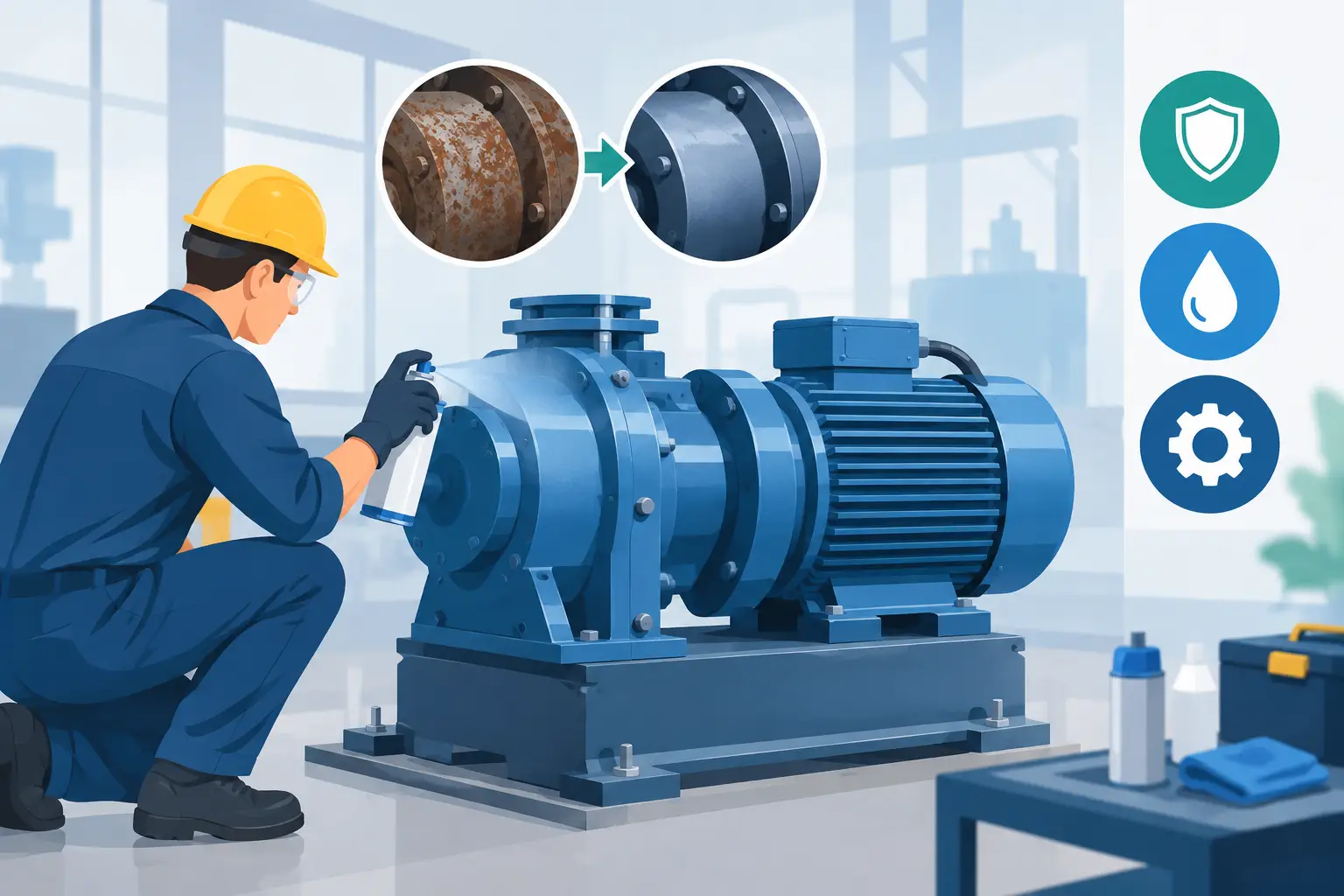
How to Prevent Corrosion on Machinery at Work
A seized fastener, rusted bearing housing, or corroded electrical enclosure rarely starts as a major failure. It starts with moisture trapped at a joint, damaged paint, chemical residue, or an unprotected machine left in the wrong environment. To prevent corrosion on machinery, maintenance teams need a controlled system that addresses exposure, surface condition, protective materials, and inspection discipline.
For industrial plants, workshops, fleet operations, HVAC installations, and construction equipment, corrosion control is not cosmetic work. It protects asset value, preserves dimensional accuracy, reduces unplanned downtime, and helps equipment operate as designed. The right approach depends on the machinery, its base materials, the operating environment, and how often it is cleaned, moved, or stored.
Why Machinery Corrodes Before It Fails
Corrosion is an electrochemical process. When metal is exposed to water and oxygen, it begins to oxidize. Salt, acids, alkaline cleaners, high humidity, and temperature cycling can accelerate the process significantly. A machine does not need to be outdoors to corrode. Washdown areas, coastal facilities, poorly ventilated storerooms, cooling systems, and condensation-prone buildings can all create severe exposure conditions.
Different metals fail differently. Carbon steel commonly forms visible red-brown rust. Aluminum may develop a white, chalky oxide layer. Galvanized surfaces can show white corrosion products when moisture remains on the coating. Stainless steel is more resistant, but chlorides, surface contamination, and stagnant water can still cause pitting or staining.
The most vulnerable points are usually not broad, open panels. They are edges, welds, threaded connections, seams, fasteners, machine bases, undercovers, drain points, and locations where dissimilar metals meet. These areas retain moisture and are harder to inspect or repaint once corrosion starts.
Prevent Corrosion on Machinery by Controlling Exposure
The first defense is to reduce the conditions that allow corrosion to develop. Keep water, salts, process chemicals, and airborne contaminants from sitting on metal surfaces. This sounds straightforward, but it requires attention to housekeeping, drainage, ventilation, and storage practices.
Equipment exposed to washdown, rain, coastal air, or chemical splash should be cleaned on a defined schedule. Cleaning removes corrosive deposits, but the process must not create another problem. Residual water left beneath guards, inside electrical cabinets, or around bolted assemblies can accelerate attack. Dry machinery thoroughly after cleaning, especially around seals, joints, and recessed surfaces.
Good drainage matters. Level machine bases where practical, clear drain holes, and repair damaged covers or panels that allow water to collect. In enclosed spaces, manage humidity with ventilation, dehumidification, or controlled storage conditions. Temperature swings can create condensation even when no direct water source is visible.
For idle equipment, do not rely on a tarp alone. A cover that traps humid air against the machine can make corrosion worse. Use breathable protective covers where appropriate, keep machinery off damp floors, and inspect stored assets periodically. For long-term storage, protect exposed machined surfaces, shafts, and fasteners with a suitable temporary corrosion preventive material.
Start With Surface Preparation
A protective coating is only as dependable as the surface beneath it. Applying paint, primer, or protective spray over oil, dust, loose rust, or moisture creates a short-lived barrier. The coating may look acceptable at first, then lift, blister, or peel as corrosion continues below it.
Begin by removing contamination. Degrease oily areas using a cleaner suited to the surface and the plant’s safety procedures. Remove loose paint, oxidation, and rust with mechanical abrasion, wire brushing, sanding, or another suitable preparation method. On critical assets or heavily corroded steel, more thorough preparation may be needed to achieve the required coating performance.
Once prepared, the surface should be clean, dry, and treated promptly. Bare steel can begin flash-rusting quickly in humid conditions. Avoid handling prepared metal with bare hands when possible, since salts and oils from skin can affect adhesion. Mask moving parts, electrical contacts, identification plates, and precision mating surfaces before applying protective materials.
Surface preparation must also match the coating system. Some primers are designed for bare metal, while others are formulated for previously painted or lightly rusted surfaces. Applying the wrong system can compromise adhesion and reduce the expected service life.
Select Coatings for the Actual Environment
There is no single coating that suits every machine. The correct choice depends on exposure, substrate, required appearance, cure time, application method, and maintenance access. A light-duty indoor frame does not need the same system as a pump skid near salt air or a steel enclosure in a chemical processing area.
For painted steel machinery, a compatible primer and finish coat provide a durable protective barrier. Primer supports adhesion and helps protect vulnerable metal, while the topcoat provides weather resistance, color retention, and resistance to everyday abrasion. Follow the specified film thickness, recoat window, and curing requirements. Thin application leaves weak coverage. Excessively heavy application can lead to runs, slow curing, or poor coating performance.
Industrial spray paints are useful for targeted repairs, brackets, frames, guards, and difficult-to-reach areas when the surface has been prepared correctly. They can restore damaged protective layers quickly, but they are not a substitute for a full engineered coating system in highly aggressive service.
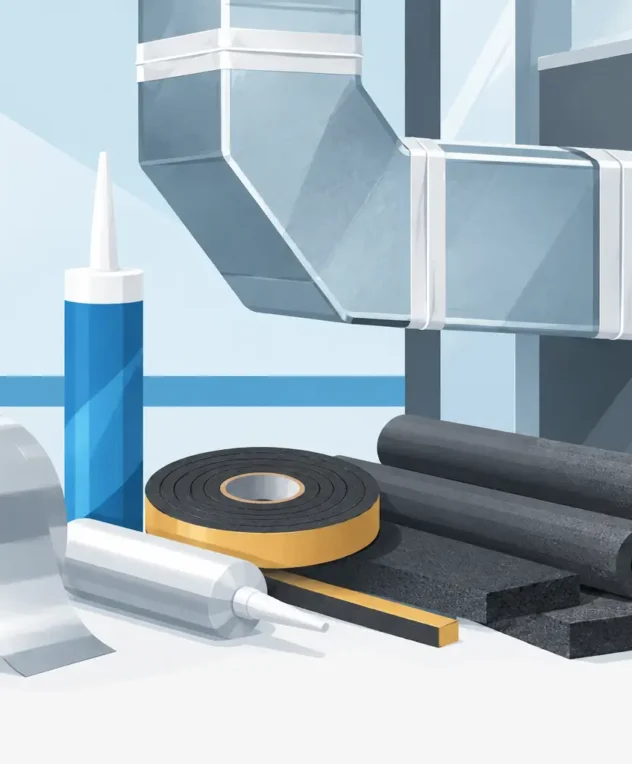
Sealants also play a practical role. Use compatible sealants to close gaps around panels, penetrations, joints, and enclosure seams where water or contaminants can enter. In HVAC, MEP, automotive, and outdoor equipment, sealing vulnerable interfaces helps protect the metal behind the visible surface. The sealant must remain flexible enough to accommodate movement and temperature change, while maintaining adhesion to the selected substrates.
Do not coat components that require electrical conductivity, heat transfer, lubrication, or precise mechanical fit unless the coating system is specifically intended for that use. Corrosion protection always involves trade-offs. A thick barrier may protect a structure well but interfere with grounding points, threaded engagement, or service access.
Stop Water at Joints, Fasteners, and Edges
Most premature coating failures begin at discontinuities. Sharp edges receive less coating material than flat surfaces. Bolted connections can create narrow crevices. Welds may contain porosity or rough profiles that hold contaminants. These are the locations that deserve additional attention during both fabrication and maintenance.
Round sharp edges where design and repair work allow it, then apply sufficient coating coverage. Seal exposed seams that are likely to retain water. Replace degraded gaskets and sealant lines before water reaches internal surfaces. For fasteners, select materials and finishes appropriate to the surrounding metals and environment.
Dissimilar metals require particular care. When metals with different electrochemical properties are connected in the presence of an electrolyte such as water, galvanic corrosion can occur. Isolating washers, compatible coatings, nonconductive barriers, and proper drainage can reduce this risk. The right solution depends on the metals involved and whether electrical bonding is required.
Build Corrosion Checks Into Preventive Maintenance
Corrosion control works best when it is scheduled, documented, and connected to regular maintenance rounds. Waiting until rust is obvious often means the damage has already moved below the coating or into a joint.
Inspect machinery after heavy weather exposure, washdowns, shutdowns, chemical spills, transport, and long storage periods. Look for chipped paint, blisters, staining, loose fasteners, failed sealant, trapped debris, standing water, and early corrosion at welds or joints. Photograph recurring problem areas so teams can identify patterns rather than repeatedly treating the same symptom.
A practical inspection plan should include these actions:
- Clean contaminants before they remain on the surface.
- Repair coating damage while corrosion is still localized.
- Check seals, covers, drains, and gaskets for water entry.
- Lubricate and protect exposed moving components as specified.
- Record materials used, repair dates, and areas requiring repeat attention.
Procurement and maintenance teams should also standardize approved materials where possible. Consistent primers, coatings, sealants, tapes, and repair procedures reduce guesswork across technicians and sites. Smart Entrepreneur’s The Engineer range is built for professional applications where dependable material performance and consistent supply support this type of disciplined maintenance work.
Match the Plan to the Cost of Failure
Not every corrosion mark requires the same response. A minor scratch on a sheltered machine frame may only need cleaning and touch-up. Corrosion around a load-bearing bracket, pressure system, electrical enclosure, rotating shaft, or safety guard demands faster assessment and repair. Criticality should guide the inspection interval, coating specification, and level of surface preparation.
The strongest corrosion program is not the one with the most products. It is the one that keeps water out, prepares surfaces correctly, uses materials suited to the exposure, and repairs small failures before they become operational problems. Treat every chip, seam, and drain path as part of the machine’s protection system, because that is where reliability is won or lost.



Leave a Reply