


How to Choose a Construction Adhesive Supplier
A failed bond rarely looks like a purchasing issue at first. It appears as loose panels, cracked trim, water intrusion, vibration damage, delayed handover, or a maintenance callout that should never have been necessary. The right construction adhesive supplier helps prevent these failures before material reaches the job site by combining proven formulations, clear technical guidance, and dependable availability.
For contractors, procurement teams, distributors, and maintenance managers, adhesive selection is not simply about finding a tube or cartridge at a competitive price. It is about specifying a material that performs on the actual substrates, in the actual environment, under the actual loading conditions of the project.
What a Construction Adhesive Supplier Must Deliver
Construction adhesives are used across a wide range of assemblies: wall panels, flooring, insulation, cladding, trim, metal components, woodwork, concrete repairs, and MEP support applications. These jobs may look similar from a distance, but they place very different demands on the adhesive.
A supplier should understand the difference between initial grab and final bond strength, between gap filling and close-contact bonding, and between interior installation and continuous outdoor exposure. An adhesive that holds a lightweight decorative component may not be suitable for a heavy panel, a porous masonry surface, or an application exposed to heat, moisture, vibration, and movement.
Strong supply relationships begin with this technical discipline. The supplier should be able to connect product performance to the application rather than treating every bonding requirement as interchangeable.
Start With the Application, Not the Product Name
Many adhesive problems begin when a product is selected by category alone. Labels such as construction adhesive, multipurpose adhesive, or heavy-duty adhesive can be useful starting points, but they do not replace an application review.
Define what is being bonded, how the surfaces are prepared, and what the finished assembly must withstand. Concrete, brick, gypsum board, painted metal, aluminum, PVC, timber, glass, and composite panels each create different bonding conditions. Surface porosity, coating type, moisture content, and cleanliness can change results significantly.
The operating environment matters just as much. Exterior work may require UV resistance, water resistance, temperature stability, and flexibility through seasonal movement. Interior work may prioritize clean application, low odor, fast cure, or compatibility with finished surfaces. In industrial environments, chemical contact, vibration, heat, and repeated loading may become the deciding factors.
A capable supplier asks practical questions before recommending a product. What are the substrates? Is the bond structural or nonstructural? Is the surface dry and sound? How large are the gaps? Will the assembly experience movement? What installation temperature and curing time are available?
That conversation saves more time than replacing failed material after installation.
Bond Strength Is Only One Part of Performance
High bond strength is essential, but it is not the only measure that matters. A very rigid adhesive can be unsuitable where dissimilar materials expand and contract at different rates. A fast-grab product may improve installation speed but offer less working time for large-format alignment. A moisture-curing adhesive may provide excellent long-term durability, yet require suitable humidity and substrate conditions to cure properly.
The best choice depends on the assembly. Procurement should evaluate the complete performance requirement rather than relying on one headline claim.
Evaluate the Product Range Behind the Recommendation
A construction project rarely uses one adhesive for every task. A supplier with a focused but complete range gives buyers more control over performance and inventory. It also reduces the risk of forcing one product into applications it was not designed to handle.
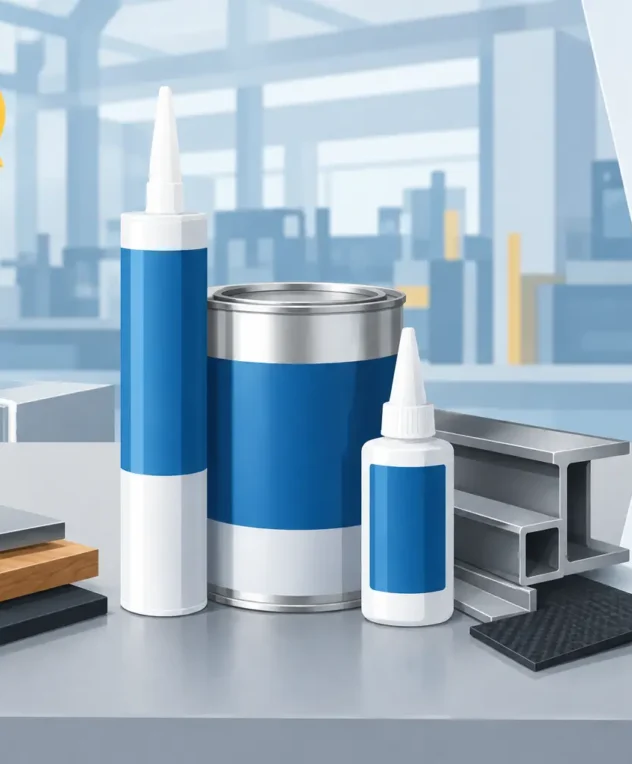
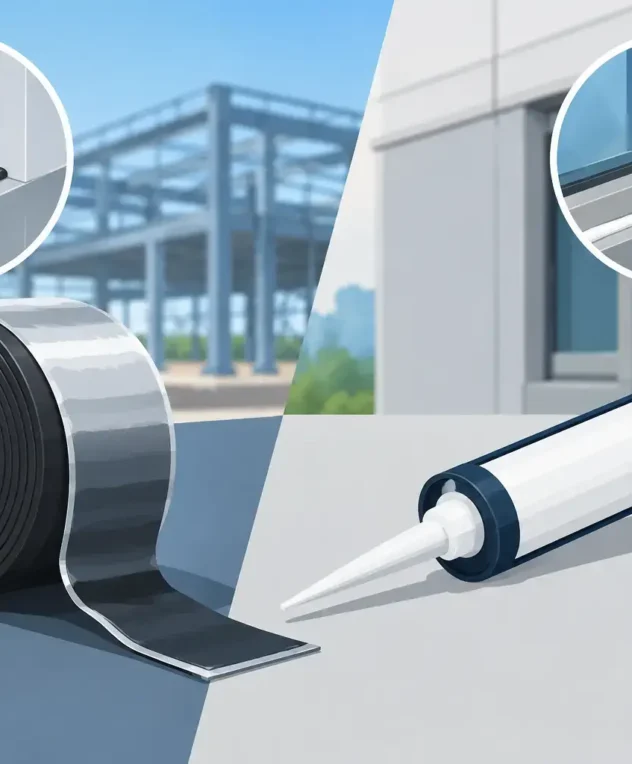
Look for a portfolio that covers common professional needs, including general-purpose construction bonding, high-strength panel and trim installation, flexible bonding for movement-prone joints, specialty solutions for difficult substrates, and complementary sealants for weatherproofing and finishing. In many projects, adhesive and sealant performance must work together. Bonding a panel without properly sealing its perimeter can still create a water-management failure.
Range breadth should be practical, not confusing. Too few options can limit technical fit. Too many overlapping products can make specification and stocking difficult. A disciplined supplier organizes products around clear use cases, compatible application methods, and performance differences that crews can understand quickly.
For distributors and multi-site contractors, SKU continuity is equally important. Consistent packaging, labeling, color availability where relevant, and repeatable product performance make training, storage, and replenishment easier across teams.
Demand Technical Information That Supports Real Decisions
A supplier should provide more than a broad statement of strength. Professional buyers need product information that can be used in submittals, method statements, procurement reviews, and site planning.
Useful technical documentation identifies compatible substrates, application temperature, cure behavior, open time, coverage guidance, service temperature, movement capability where applicable, storage requirements, and limitations. Safety information also needs to be available and current, especially for enclosed spaces, high-volume use, and industrial facilities with formal compliance procedures.
Technical data does not remove the need for job-site judgment. Actual substrate conditions can differ from the specification, particularly on renovation work. Dust, laitance, old coatings, moisture, oils, and weak surface layers can prevent even a premium adhesive from reaching its designed performance.
A reliable supplier makes this distinction clear. Product quality and surface preparation are connected. The right material cannot compensate for every poor installation condition.
Assess Supply Reliability Before the Project Starts
Adhesive shortages can stop work at an inconvenient stage. Crews may be ready, substrate preparation may be complete, and follow-on trades may be scheduled. If the specified product is unavailable, the temptation is to substitute without checking compatibility or performance. That shortcut can create warranty exposure, rework, and inconsistent results across the project.
When selecting a construction adhesive supplier, examine how the supplier manages availability. Can it support routine stock as well as project demand? Does it maintain predictable lead times? Can it supply matching products from the same portfolio when a project also requires sealants, tapes, coatings, or waterproofing materials? Are batch control and shelf-life management handled carefully?
For large or phased projects, buyers should discuss forecast quantities early. This allows the supplier to plan inventory, reserve production capacity where needed, and reduce the risk of last-minute substitutions. A lower unit price has limited value if it is attached to uncertain delivery or inconsistent stock.
Check Storage and Shelf-Life Practices
Adhesives are chemical products, not passive hardware. Heat, freezing conditions, poor warehouse rotation, damaged packaging, and extended storage can affect application and performance. Buyers should confirm storage limits and ensure site teams understand them.
The supplier should also support traceability. Clear batch identification helps resolve quality questions quickly and gives project teams confidence when materials are used across multiple buildings, production areas, or maintenance locations.
Compare Total Installed Cost, Not Cartridge Price
The least expensive adhesive can become the most expensive choice if it causes slow application, excessive waste, weak bonding, staining, callbacks, or material replacement. Cost should be assessed through the complete installation cycle.
Consider coverage per cartridge or pail, required bead size, application speed, tooling needs, cure time, labor impact, and expected service life. An adhesive with stronger initial grab may reduce the need for temporary mechanical support. A product that bonds reliably to multiple approved substrates may simplify inventory. A durable exterior-grade formulation may reduce maintenance interventions after handover.
There are trade-offs. Premium products are not automatically necessary for low-demand indoor work. Conversely, value-grade materials should not be expected to perform like high-performance systems in harsh weather, high-movement, or industrial conditions. The specification should match the consequence of failure.
Build Supplier Performance Into Your Buying Process
The strongest purchasing decisions combine technical review with commercial discipline. Before committing to a new supplier or expanding an existing relationship, establish a consistent evaluation process.
A useful review should confirm:
- Product suitability for defined substrates, exposure conditions, and load requirements.
- Technical documentation, safety information, and application guidance.
- Product range coverage for current work and adjacent project needs.
- Stock availability, lead-time performance, and shelf-life control.
- Packaging, application compatibility, and support for site trials.
- Commercial terms that reflect total value, not only unit cost.
Site trials are particularly valuable when materials, coatings, or environmental conditions are unfamiliar. A small controlled test can verify adhesion, cure behavior, appearance, and crew handling before a product is used at scale. It is a practical safeguard for high-visibility finishes, difficult substrates, and critical assemblies.
Choose a Partner That Protects Project Quality
A supplier relationship should improve field execution, not add uncertainty. The best partners provide consistent products, practical recommendations, and the supply discipline needed to keep work moving. They understand that their adhesive becomes part of a completed assembly that must withstand service conditions long after the installation crew has left.
At Smart Entrepreneur Company for Industry, The Engineer range is built around this performance requirement: advanced materials for professional applications where strength, weather resistance, durability, and dependable supply matter. That approach is especially relevant when buyers need adhesive solutions that align with sealants, tapes, coatings, and waterproofing materials across a wider project scope.
The next time an adhesive is added to a purchase order, treat it as a decision about project reliability. Ask how the product will bond, cure, endure, and arrive when needed. Those answers will do more to protect quality than a price comparison alone.



Leave a Reply