


Waterproofing Products That Prevent Costly Failures
A roof can look intact while water is already moving through a failed lap joint. A concrete wall can appear dry until hydrostatic pressure finds a pinhole behind the finish. In both cases, waterproofing products are not a finishing detail. They are part of the system that protects structure, equipment, interiors, and project schedules.
For contractors, maintenance teams, and procurement buyers, the real question is not which product is marketed as waterproof. The question is whether its chemistry, adhesion, flexibility, thickness, and application method match the exposure conditions. The wrong material may initially stop water, then crack, peel, soften, or lose bond strength when heat, movement, UV exposure, or standing water takes over.
What Waterproofing Products Must Do on Site
Reliable waterproofing is built around more than water resistance. A product must adhere to the actual substrate, tolerate expected movement, and maintain continuity at joints, penetrations, corners, and terminations. These transition areas receive the highest stress and are often where failures begin.
The operating environment changes the requirement. Roofs face heat cycling, UV exposure, wind-driven rain, and ponding water. Foundations and below-grade walls deal with soil moisture, hydrostatic pressure, and difficult access after backfilling. Bathrooms, kitchens, plant rooms, and balconies require waterproof layers that remain sound beneath tiles, screeds, or protective finishes. HVAC ducts, metal flashings, pipe penetrations, and service openings need flexible sealing where different materials expand at different rates.
A dependable system also has to suit the project workflow. Some jobs need rapid curing to return an area to service. Others require a brush-applied material that can reach irregular details, or a tape solution that provides immediate sealing without mixing equipment. Performance and practical installation must work together.
Choosing Waterproofing Products by Application
No single coating, membrane, sealant, or tape is correct for every substrate. Selecting by application first helps buyers avoid using a general-purpose product in a high-demand location.
Roofs, Gutters, and Exterior Repairs
For exposed roof details, product flexibility and weather resistance are critical. Liquid-applied coatings can form a continuous layer over complex shapes, including upstands, fasteners, drains, and small penetrations. They are useful for maintenance work where removing the existing roof assembly is not practical, provided the surface is clean, stable, and compatible with the coating.
Bituminous materials remain common for certain roofing and below-grade applications because they provide strong moisture resistance and work well with established construction methods. Their limits should be understood. Some bitumen-based materials need protection from UV exposure, and surface preparation remains decisive for bond quality.
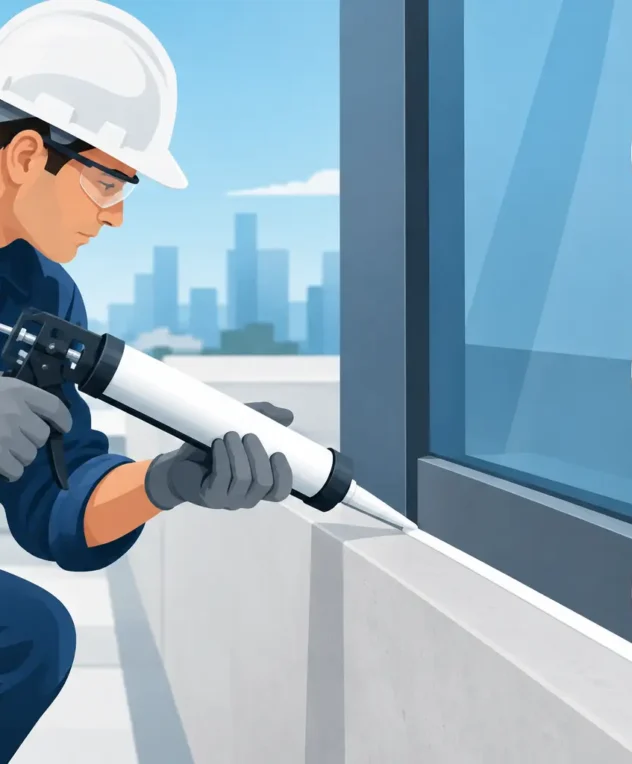
Butyl tapes are effective for localized sealing at laps, flashing interfaces, metal joints, and repair areas. Their value is speed and conformability. A tape is only as reliable as its installation: remove dust and loose oxidation, apply at the specified temperature range, use firm pressure, and maintain adequate overlap. Stretching tape excessively around corners can create thinning and edge lift.
Foundations, Basements, and Retaining Structures
Below-grade waterproofing must be selected for the water load, not merely the presence of damp soil. Damp-proofing may be acceptable where moisture exposure is limited, but it is not a replacement for a true waterproofing system where hydrostatic pressure is expected.
Cementitious waterproofing is often suitable for concrete and masonry substrates, particularly on internal walls, tanks, pits, and wet service areas. It can become part of the mineral substrate and offers practical application on prepared concrete. However, rigid cementitious systems may not be the best choice where significant cracking or structural movement is likely unless the selected formulation is designed to bridge those conditions.
Flexible polymer-modified coatings and sheet membrane systems are more suitable where movement, pressure, or irregular detailing must be managed. Protection boards, drainage layers, and correct termination details still matter. Even a high-quality membrane can be damaged by backfill, sharp aggregate, or unprotected site traffic.
Wet Rooms, Balconies, and Tiled Areas
Waterproofing beneath tile must form a continuous assembly, not a collection of isolated patches. Corners, wall-to-floor transitions, drains, pipe sleeves, and control joints need reinforcement or flexible treatment compatible with the main waterproof layer.
A common failure is applying the membrane unevenly. A thin coat may look complete but lack the dry film thickness required for long-term water resistance. Follow the product coverage rate, number of coats, recoat window, and cure time before installing tile adhesive or screed. Rushing this sequence can trap moisture or compromise adhesion between layers.
Balconies add thermal movement and exterior exposure to the challenge. Products here need flexibility, strong substrate adhesion, and resistance to the finish system above them. Drainage slope is equally important. Waterproofing should manage incidental water, not compensate for a surface designed to hold it.
Metal, MEP, and Industrial Maintenance Details
Mechanical rooms, duct connections, pipe penetrations, fabricated metal assemblies, and exterior equipment enclosures often require localized waterproofing rather than a full membrane. Flexible sealants, self-adhesive tapes, and protective coatings can control leaks at joints and interfaces while accommodating vibration and movement.
Compatibility is especially important on metal. Galvanized steel, aluminum, painted surfaces, and oxidized metal do not behave the same way. Confirm whether a primer is required and whether the material can withstand expected temperature, cleaning chemicals, oil exposure, or UV conditions. A sealant with strong initial grab may still fail if the surface is contaminated or if the joint design prevents proper movement.
The Selection Checks That Reduce Rework
Product labels provide useful direction, but project teams should make the final decision against the actual conditions. Start with the substrate. Concrete, masonry, metal, wood, PVC, and existing coatings each demand different preparation and adhesion characteristics. Moisture within the substrate can also affect curing and bond performance.
Next, identify the exposure. Is the area under standing water, intermittent rain, washdown conditions, soil pressure, or interior humidity? Will it see direct sunlight, extreme summer heat, freeze-thaw cycling, vehicle vibration, or chemical splash? The answer determines whether flexibility, chemical resistance, UV stability, or water-pressure resistance is the priority.
Movement deserves equal attention. Expansion joints, dissimilar materials, wide cracks, and vibrating equipment should not be treated as static surfaces. Use flexible systems where movement is expected, and respect the manufacturer’s limits for joint width and elongation. Overfilling a joint or applying a rigid coating across an active crack often creates a predictable failure.
Finally, review the application conditions. Ambient temperature, surface temperature, humidity, rain risk, and cure time can change the result. A product selected for performance can still underperform when applied to a wet substrate, over dust, below its minimum temperature, or outside its recommended thickness range.
Installation Discipline Determines Waterproofing Performance
Most premature failures are installation failures before they are material failures. The practical sequence is straightforward: inspect the substrate, remove weak material and contamination, repair defects, prime where required, treat details first, apply the main waterproof layer at the specified coverage, and allow full curing before exposure or overcoating.
Detail work should never be treated as an afterthought. Reinforce corners and changes of plane where the system requires it. Seal penetrations before the field coating is applied. Maintain continuity at drains and terminations. Measure wet-film or dry-film thickness when the project specification calls for it rather than relying on visual judgment.
Quality control should include batch traceability, storage checks, and site records for weather and application timing on critical work. These steps protect the contractor as well as the asset owner. They create a clear record that the system was installed according to the intended performance standard.
Build a Dependable Waterproofing Supply Strategy
For commercial projects and maintenance operations, reliable supply is part of waterproofing performance. A system can fail commercially when compatible primers, tapes, sealants, and coatings are unavailable at the point of installation. Procurement teams should evaluate the full product range, technical consistency, packaging suitability, and availability of supporting materials rather than buying each item as an isolated commodity.
The Engineer range is built for professional users who need practical, performance-focused solutions across construction, MEP, industrial maintenance, and repair work. For distributors and project buyers, a consistent portfolio simplifies product selection and helps crews maintain the same application standard across sites.
The best waterproofing decision is usually made before the first pail is opened. Define the exposure, inspect the substrate, plan the details, and choose materials that can perform together under the real conditions of the job. That discipline turns waterproofing from a repair expense into dependable protection.



Leave a Reply